
BLACKRAIL DUMPSTER CO. — LUBBOCK DISPOSAL GUIDE
Citizen Convenience Stations vs. Dumpster Rental
Compare City drop-off and roll-off rental by eligibility, load size, debris type, labor, safety, and total project effort.
Jump to a section
- What is the main difference?
- Quick comparison
- What are the City stations?
- Who can use them?
- Accepted materials
- Prohibited materials
- Load and visit limits
- Which option costs less?
- When the station wins
- When a dumpster wins
- Lubbock project examples
- Materials needing a separate plan
- Using both options
- Labor and fast delivery
- Safety
- Five-minute decision checklist
- Common mistakes
- Frequently asked questions
- Final verdict
An old sofa fills the garage, tree limbs sit beside the fence, and household junk keeps piling up. Should you haul everything to a City of Lubbock Citizen Convenience Station, or have a roll-off container delivered?
A convenience station is usually best for one small household load. A dumpster is often better for bulky debris, several pickup loads, construction material, or work that lasts more than one day.
The right choice depends on the debris type, total volume, City rules, trip count, and whether you can transport and unload everything safely.
What is the main difference?
The station can be a smart use of a service you already pay for. However, it has eligibility, material, volume, vehicle, and visit restrictions. A dumpster has a direct rental cost, but it reduces road trips and gives the project a central place for debris.
Use this practical rule: one accepted household pickup load usually fits the City option. Several loads, ongoing work, roofing, remodeling, construction, or commercial debris usually point toward a private roll-off.
Citizen Convenience Stations vs. dumpster rental at a glance
| Factor | Citizen Convenience Station | Roll-Off Dumpster |
|---|---|---|
| Best use | Small household cleanup | Medium or large project |
| Direct disposal cost | Included for eligible City customers | Paid rental |
| Transportation | You haul the waste | Container is delivered and removed |
| Labor | You load and unload | You load once |
| Project length | Best for one quick trip | Useful across several days |
| Typical volume | About one pickup-bed load | Several pickup loads |
| Construction debris | Not accepted | Common use with approval |
| Roofing shingles | Not accepted | Common use with weight controls |
| Commercial waste | Not accepted | Commercial service available |
| Vehicle needed | Yes | No self-hauling vehicle needed |
| Schedule | Limited to station hours | Scheduled delivery and pickup |
What are Lubbock Citizen Convenience Stations?
Citizen Convenience Stations are City-operated drop-off sites for eligible Lubbock solid waste customers. Residents can bring certain large household items, small yard-waste loads, used automotive fluids, appliances, tires, batteries, and accepted recyclables.
The stations are not public landfills. An attendant may check identification, inspect the load, and direct the resident to the proper container. Material outside the rules can be refused.
The City lists four locations:
- Southside: 1631 84th Street
- Northside: 208 Municipal Drive
- North Quaker: 4307 Adrian Street
- South Milwaukee: 7308 Milwaukee Avenue
Published hours are Monday through Saturday from 8 a.m. to 5:30 p.m. The stations close on City holidays. Do not leave waste outside a closed gate. The City treats that as illegal dumping.
Who can use the City stations?
The stations are intended for City of Lubbock Utility Solid Waste customers hauling household material from their own single-family residence. Residents should be prepared to show a driver’s license with a City address or a current utility bill with matching identification.
The source of the debris matters. A homeowner bringing an old mattress from home may qualify. A paid hauler bringing that mattress for a customer does not. Commercial establishments, businesses, multifamily properties, government sites, contractors, and anyone paid to transport the waste are excluded from the household program.
These limits prevent a residential service from becoming a free disposal route for business or project-scale waste. When the property type or source is unclear, call 311 before loading the vehicle.
What can you take to a convenience station?
The City accepts several common categories in limited household quantities. Examples include old furniture, empty appliances, small yard-waste loads, scrap metal, limited fence sections, carpet sections, used motor oil, oil filters, used antifreeze, passenger tires, vehicle batteries, cooking grease, and selected recyclables.
Some items have exact limits. The current Solid Waste page lists up to four old furniture pieces and two appliances per visit. Vehicle batteries are accepted only at the Northside and Southside stations, with a stated limit of two per address each year. Four passenger tires without rims are accepted per address each year.
Used oil and antifreeze must remain separate. The City says each household drop-off should be under five gallons and contain no fuel mixtures. Household cooking grease goes to the Southside station in a cooled, closed, spill-resistant container.
Refrigerators, freezers, air conditioners, paints, chemicals, and other difficult materials need special instructions. Household hazardous waste service is available by appointment at the Southside location. Call 806-775-2495 before transporting uncertain products.
What materials are not accepted at the stations?
The City prohibits construction and demolition material, concrete, brick, rock, roofing shingles, remodeling debris, regular household garbage, and business trash at Citizen Convenience Stations.
This rule creates the clearest difference between the two disposal choices. A broken chair from a residence may qualify. Cabinets and drywall from a kitchen demolition do not. A small residential branch pile may qualify. Concrete from a patio removal does not.
Roofing, construction, remodeling, and demolition waste must be handled at the property owner’s expense. A landfill or private roll-off provider may be appropriate, depending on current disposal rules and material type.
How much can you bring in one trip?
The City generally limits each station load to the equivalent of one pickup bed, or about three cubic yards. Acceptable material may arrive in a passenger car, pickup, or small trailer measuring six feet or less.
The resident must unload the waste and place it in the container chosen by the attendant. The entire load should be covered during transport. A tarp and secure tie-downs help keep boxes, branches, carpet, and loose pieces off the road.
Official City pages currently conflict on annual visits. The main Solid Waste page says four visits per year, while the Bulky Items page says eight. Because both pages are official, call 311 or Solid Waste Services before planning a multi-load cleanup.
This uncertainty is another reason not to treat the stations like an unlimited project disposal route. They are best for occasional household bulky-item trips.
Is the City station really cheaper?
For one qualifying load, the station normally has the lowest direct cost. The service is included with the regular solid waste fee for eligible customers.
Self-hauling still has indirect costs:
- Fuel and vehicle wear
- Trailer rental or borrowed-equipment time
- Tarps, straps, gloves, and cleanup supplies
- Loading and unloading labor
- Time spent driving and waiting
- Help from another person
- Risk of scratches, leaks, odors, or tire damage
Those costs may be minor for one sofa and a few branches. They become more noticeable when a project requires four, five, or six round trips. Each trip means handling the same material twice, securing the load, driving across town, checking in, unloading, and returning.
A dumpster has an upfront price. It can still reduce the project’s total time and physical effort. Before choosing a container, use our What Size Dumpster guide, then review Dumpster Rental Lubbock, TX for local size and pricing context.
When is a Citizen Convenience Station the better choice?
One accepted household load
A mattress, two chairs, several boxes, and a small branch pile may fit in one covered pickup. When the items are accepted and the resident can unload them, the station is hard to beat on cost.
You already own the right vehicle
A suitable pickup or small trailer makes self-hauling easier. Stay within the rated capacity and keep heavy material low. Do not stack loose items high simply to avoid a second trip.
You can finish quickly
A short cleanup followed by one station visit can be efficient. The value drops as the trip count grows or the project stretches across several days.
The item needs City handling
Used oil, antifreeze, tires, batteries, refrigerant appliances, and household chemicals often need separate processing. These items should not enter a standard roll-off unless the provider gives clear approval.
You can lift and unload safely
Residents unload their own waste. A sleeper sofa, large refrigerator, or damaged cabinet may require more strength and help than expected. Choose another method when lifting creates a safety risk.
When is a roll-off dumpster the better choice?
The cleanup will fill several pickups
A delivered container can replace multiple trips. This is especially useful when bulky furniture, boxes, carpet, shelving, and household items do not stack neatly.
The work will last several days
A dumpster lets you work room by room without stopping whenever a truck bed becomes full. For garages, moves, and larger household projects, a Residential Dumpster Rental keeps debris contained while the cleanup continues.
The debris comes from remodeling or construction
Cabinets, drywall, flooring, lumber, tile, fixtures, and demolition waste are excluded from the City stations. A roll-off approved for the material provides an on-site disposal route.
You are removing roofing material
Shingles are prohibited at the stations and become heavy quickly. The provider needs the roof area, shingle type, number of layers, and related wood debris before recommending a container and safe fill level.
The waste comes from a business or paid project
Commercial and contractor loads cannot use the household program. Landlords, property managers, businesses, and contractors need an approved paid disposal option.
You do not have a hauling vehicle
Putting dirty carpet, broken wood, nails, drywall, or tree debris inside a personal vehicle can create damage and cleanup problems. Delivery removes the need to borrow a truck or tow an unfamiliar trailer.
Three common Lubbock cleanup examples
One sofa and a small yard pile
The sofa and branches fit safely in one covered pickup. The material came from the resident’s single-family home, and the resident can unload it.
Better choice: Citizen Convenience Station. A paid container would add little value for a load this small.
Garage and spare-room cleanout
The project includes damaged shelves, old furniture, boxes, carpet, toys, and general junk. It will take two days and create about five pickup loads.
Better choice: Roll-off dumpster. The station has a lower direct fee, but repeated loading and trips consume much of the weekend. The container keeps one working area and prevents loose piles from spreading across the property.
Kitchen remodeling project
The debris includes cabinets, countertops, drywall, flooring, lumber, and tile. Waste appears in stages as demolition continues.
Better choice: Construction-approved roll-off. The City stations do not accept remodeling debris, so the project needs a paid disposal route.
Which materials need a separate plan?
Paint and household chemicals
Wet paint, solvents, pesticides, corrosive cleaners, and similar products should not enter a normal roll-off. Lubbock’s household hazardous waste program operates by appointment at the Southside station.
Refrigerators and air conditioners
These appliances may contain refrigerant. Eligible residents can use the City’s approved process, but should confirm the location and preparation steps first. Do not place refrigerant equipment in a rental container without approval.
Used oil and antifreeze
Keep the fluids in separate closed containers. The City accepts household quantities under five gallons with no fuel mixtures. Never combine them with paint, gasoline, cleaners, or other chemicals.
Tires and vehicle batteries
Both categories have annual limits and designated handling rules. Do not hide them under general debris. They may cause a rejected load or added disposal charges.
Concrete, brick, dirt, and masonry
Dense material can exceed a truck’s legal hauling weight before the container looks full. Tell the provider the exact material and estimated quantity. A smaller container or restricted fill line may be required.
Can you use both options for one project?
Yes. A combined plan is often the most practical choice.
You can rent a dumpster for furniture, flooring, drywall, wood, and general debris. At the same time, separate used oil, batteries, tires, chemicals, and refrigerant appliances for the correct City program. Usable furniture can go to donation, while clean cardboard and accepted metal can go to recycling.
Create labeled staging areas before work starts:
- Roll-off debris
- City drop-off items
- Household hazardous waste
- Donation
- Recycling
- Tires, batteries, and automotive fluids
Early sorting prevents prohibited materials from disappearing beneath a full load. It also keeps reusable items from being damaged by demolition debris.
What if you need labor or fast delivery?
A dumpster reduces transportation work, but you still load the container. When heavy furniture, appliances, stairs, or limited mobility make that difficult, full-service hauling may be a better fit. Explore Junk Removal in Lubbock, TX when you need a crew to handle the lifting and loading.
Scheduling can also decide the best approach. A project with a firm contractor start, move-out date, storm cleanup, or property deadline may not allow several self-haul trips. Check Same-Day Dumpster Rental when quick delivery could keep the work on schedule. Availability depends on container inventory, route capacity, delivery access, and the time the order is placed.
You load, transport, and unload one small accepted household load.
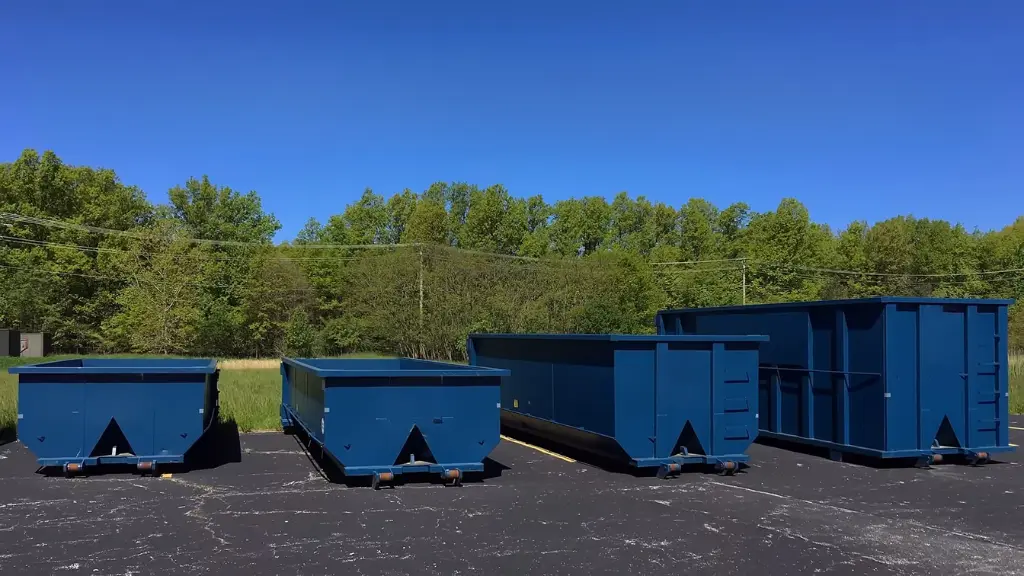
You load on-site while the rental company handles transportation and disposal.
A crew handles carrying, loading, transport, and disposal.
Use a roll-off for general debris and City programs for restricted household items.
How can you handle either option safely?
Self-hauling is safest when the load is small, stable, and properly secured. Stay within the vehicle’s weight rating. Keep dense items low and near the center. Cover the full load, not only the light pieces on top.
Wear gloves, sturdy footwear, and eye protection around broken furniture, nails, metal, glass, branches, and demolition waste. Use another person or proper moving equipment for heavy items. Never stand below an unstable stack.
Safe dumpster loading also matters. Keep children and pets away from the work zone. Do not throw heavy items when someone is near the container. Spread weight instead of piling dense debris at one end. Nothing should extend above the container walls when it is ready for pickup.
Keep the delivery and pickup path open. Cars, locked gates, low wires, soft ground, and overhanging branches can prevent service. Tell the provider about tight turns or unusual access before the truck arrives.
How can you choose in five minutes?
- Identify every material. Separate household junk from construction waste, shingles, chemicals, appliances, automotive fluids, batteries, tires, and dense debris.
- Estimate the volume. Count large furniture pieces, bags, boxes, branches, flooring, cabinets, and debris piles.
- Check City eligibility. Confirm the property type, solid waste account, identification, load source, and accepted-material rules.
- Count the trips honestly. Include loading, securing, driving, checking in, unloading, and returning home.
- Consider the project length. A one-hour cleanup may suit a station. A multi-day cleanup benefits from an on-site container.
- Check lifting and transport safety. Do not choose self-hauling when the load exceeds your vehicle or physical ability.
- Ask about uncertain materials. One call to the City or rental provider can prevent a rejected load, added fee, or unsafe trip.
What mistakes cause wasted time or extra cost?
Assuming every resident qualifies
Eligibility depends on the City account, address, property type, and source of the waste. Bring proper identification and verify anything unusual.
Treating remodeling material like household junk
A broken household chair and demolished kitchen cabinets do not follow the same disposal rules. Construction, roofing, and remodeling debris require paid disposal.
Underestimating trip count
Furniture, branches, shelves, and cabinets contain empty space. A pile that looks like two trips may become four once loaded safely.
Overloading a pickup or trailer
Trying to avoid another trip can create an unstable or overweight load. Stay within the rated capacity and secure every item.
Choosing a dumpster by volume alone
Concrete, brick, tile, dirt, plaster, and shingles may hit a weight limit before using the available space. Debris type matters as much as container size.
Mixing prohibited items into the container
Liquids, batteries, tires, chemicals, propane cylinders, and refrigerant appliances may need separate handling. Ask before loading them.
Frequently asked questions
Are Lubbock Citizen Convenience Stations free?
The service is included with the regular solid waste fee for eligible City of Lubbock Utility Solid Waste customers. Identification, household-source, volume, and material rules still apply.
How much can I take to a convenience station?
The City generally limits a load to about one pickup bed, or roughly three cubic yards. The load must be covered, transported in an approved vehicle, and unloaded by the resident.
How many times can I use a station each year?
Current City pages conflict. The main Solid Waste page states four visits per year, while the Bulky Items page states eight. Call 311 or Solid Waste Services before planning several trips.
Can I take construction debris or shingles to a station?
No. Construction, demolition, concrete, brick, rock, roofing shingles, and remodeling material appear on the City’s prohibited-waste list for Citizen Convenience Stations.
Can a business or contractor use the stations?
No. The stations are for eligible residents hauling household items from their own single-family homes. Commercial, multifamily, governmental, contractor, and paid-hauling loads are prohibited.
Do I have to cover and unload my own load?
Yes. Loads should be covered to prevent spills on the roadway, and residents must unload their own material into the containers selected by the attendant.
Is a dumpster cheaper than making several trips?
It can be. Compare the rental price with fuel, vehicle wear, trailer costs, loading time, unloading time, and the number of round trips. A station is usually cheapest for one small load, while a dumpster can be more efficient for several loads.
What should I do with paint, oil, batteries, or antifreeze?
Keep these materials separate from general debris. Lubbock has special drop-off rules for household hazardous waste, used oil, antifreeze, vehicle batteries, tires, and refrigerant appliances. Call the City before transporting uncertain material.
Can I place a roll-off dumpster in my driveway?
Usually, when the driveway has enough width, overhead clearance, structural support, and truck access. Discuss placement and surface protection before delivery. Public right-of-way placement may require separate approval.
When should I call for a dumpster?
Call once you know the project type, debris materials, estimated volume, delivery address, placement area, and preferred date. Early scheduling gives the provider more time to match a container and delivery route to the job.
Final verdict: which option should you choose?
Use a Citizen Convenience Station when the waste comes from your own eligible single-family residence, the material is accepted, everything fits into one small covered load, and you can transport and unload it safely.
Choose a roll-off dumpster when the project creates several pickup loads, lasts more than one day, includes construction or roofing debris, comes from a business or paid project, or requires an on-site place to keep waste contained.
Do not rent more capacity than the project needs. Do not force a large or prohibited load through a limited household program either. The best disposal method is the one that matches the material, volume, labor, and legal requirements from the beginning.
Choose the Right Disposal Option Before You Start
Blackrail Dumpster Co. serves Lubbock, Wolfforth, Shallowater, Slaton, Idalou, and nearby communities. Call with the debris type, estimated volume, address, and preferred date.