
BLACKRAIL DUMPSTER CO. — LUBBOCK SIZE GUIDE
What Size Dumpster Do You Need?
Compare 10, 15, 20, 30, and 40-yard dumpsters by project type, debris weight, pickup loads, and delivery space.
Jump to a section
- Quick answer: Which dumpster size should you choose?
- What does a 10-yard or 20-yard dumpster actually mean?
- Volume and weight are two different limits
- When is a 10-yard dumpster the right size?
- When should you choose a 15-yard dumpster?
- Is a 20-yard dumpster the best all-around choice?
- When do you need a 30-yard dumpster?
- When is a 40-yard dumpster appropriate?
- What size dumpster do you need by project type?
- How do you estimate your debris before calling?
- Why choosing the cheapest size can cost more
- What Lubbock residents should know before choosing a size
- How much space does a dumpster need for delivery?
- Seven common dumpster sizing mistakes
- Three Lubbock project examples that show how sizing changes
- A five-minute checklist for choosing your dumpster
- Frequently asked questions about dumpster sizes
- Choose the size that protects the project, not just the price
The project type gives you a starting point. Debris weight, bulky items, available placement space, and the chance of the project growing will decide the final size.
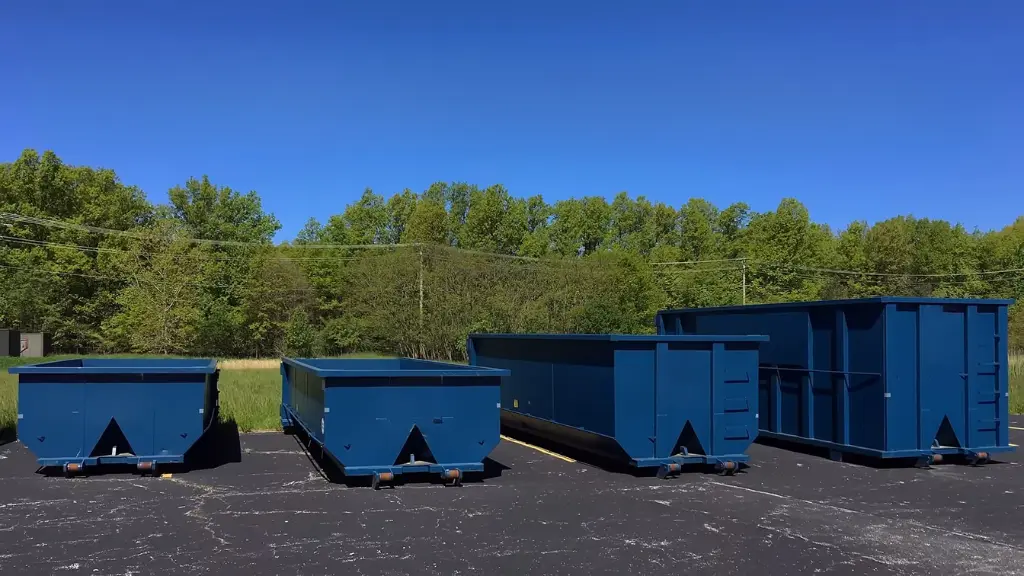
For most Lubbock projects, the answer falls between a 10-yard and 40-yard roll-off dumpster. A 10-yard container fits focused cleanups. A 15-yard works for many garage cleanouts and small remodels. A 20-yard handles many roofing, flooring, and medium renovation jobs. A 30-yard suits large cleanouts and construction work. A 40-yard is usually reserved for major construction or commercial debris.
A garage cleanout can look small until the old shelves come down. A bathroom remodel can look manageable until drywall, tile, cabinets, and flooring spread across the driveway. Then the question changes from “Do I need a dumpster?” to “What size dumpster do I need?”
Quick answer: Which dumpster size should you choose?
Use this chart as a first estimate. Your final recommendation may change after the debris type and job scope are reviewed.
| Dumpster size | Good starting point for | Approximate pickup loads |
|---|---|---|
| 10-yard | Small cleanouts, bathroom demolition, dense debris | About 3 |
| 15-yard | Garage cleanouts, small remodels, yard waste | About 4 to 5 |
| 20-yard | Roofing, flooring, junk removal, medium remodels | About 6 |
| 30-yard | Estate cleanouts, large home projects, construction debris | About 9 |
| 40-yard | Major construction and commercial cleanouts | About 12 |
Blackrail’s current size guide uses these pickup-load estimates and project categories. The exact dimensions and included weight can vary by container and load type. Review the current Lubbock dumpster sizes and pricing before booking.
What does a 10-yard or 20-yard dumpster actually mean?
Dumpster sizes describe internal volume in cubic yards. One cubic yard is a cube measuring three feet on each side. A 20-yard dumpster can hold about 20 cubic yards of material when loaded correctly.
That number does not tell you the exact container length, width, or height. Two companies can offer 20-yard containers with different dimensions. One may be longer and lower. Another may be shorter and taller. Published size guides show this variation, so confirm the actual footprint before delivery.
For most homeowners, pickup-truck loads offer an easier comparison. Think about how many full truck beds your debris would fill after you break down boxes and remove empty space. Then add room for items that will not stack neatly.
Furniture, cabinets, branches, and demolition scraps leave awkward gaps. A pile that looks like four truck loads on the ground may occupy more space inside a container.
Volume and weight are two different limits
The right dumpster must handle both the space your debris occupies and the weight it adds.
Bulky household items use volume quickly. Sofas, mattresses, shelving, cardboard boxes, and cabinets may fill a container before the load becomes unusually heavy. Concrete, soil, brick, roofing shingles, and tile create the opposite problem. They can reach a safe hauling weight while the dumpster still looks partly empty.
This difference matters because choosing a larger container does not always solve a heavy-debris problem. A 30-yard dumpster filled with concrete could become unsafe to lift and haul. A smaller container with a controlled fill level may be the better choice.
Tell the rental company exactly what you plan to remove. Do not describe concrete as “construction debris” or shingles as “general junk.” Specific material details lead to a safer size recommendation and a more accurate quote.
When is a 10-yard dumpster the right size?
A 10-yard dumpster works best when the project has a clear boundary. You know which room, pile, or material is leaving. The cleanup is not likely to spread into the rest of the house.
Common 10-yard projects include:
- A small garage or storage-room cleanout
- A bathroom demolition
- Carpet or flooring from a limited area
- A small shed cleanup
- Minor landscaping debris
- A short fence or deck removal
- Dense debris loaded to an approved level
The lower capacity can make loading easier. It also helps control heavy material. However, a 10-yard container can become too small when the project includes large furniture, several rooms, or years of stored belongings.
A useful test is simple. List every large item before you book. If you keep adding “one more room” or “a few things from the garage,” move up to a 15-yard or 20-yard size.
For a focused household project, review the residential dumpster rental options. When you need someone to load and haul bulky items, compare that option with junk removal and debris hauling.
When should you choose a 15-yard dumpster?
A 15-yard dumpster fills the gap between a small cleanup and a full home project. It gives you more flexibility than a 10-yard container without jumping directly to a larger box.
It often works for:
- A garage cleanout with boxes and small furniture
- A single-room remodel
- Kitchen cabinet removal without a full gut renovation
- Flooring from several rooms
- A moderate yard cleanup
- Fence panels, brush, and deck boards
- Move-out debris from a small home or apartment
This size is useful when the debris is mixed but not extreme. You may have bags, broken furniture, trim, drywall, and packaging in the same project.
A 15-yard can still be too small for a packed two-car garage, a full kitchen demolition, or a cleanup with several sofas and mattresses. Bulky objects reduce usable space because they do not stack like bags or broken drywall.
For branches, brush, old fencing, and landscaping debris, check the yard waste and landscaping dumpster guide before mixing materials. Some disposal streams may need to stay separate.
Is a 20-yard dumpster the best all-around choice?
A 20-yard dumpster is the most flexible option for many residential jobs. It offers enough capacity for a meaningful cleanup while remaining practical for many driveways and job sites.
Typical 20-yard projects include:
- A roof tear-off
- Flooring removal across several rooms
- A medium kitchen remodel
- A large garage cleanout
- A rental property cleanup
- A deck or fence project
- A partial home cleanout
- A medium construction or renovation job
Blackrail’s homepage identifies the 20-yard as the most popular size. It lists roofing, flooring, junk removal, and medium remodels among its common uses.
The 20-yard is not automatically right for every roof. Shingle type, roof area, and the number of layers can change the load weight. A container may reach its approved weight before it reaches the top rail. Review the roofing dumpster rental guidance before estimating a tear-off by volume alone.
A 20-yard also works well when you expect some project growth. It gives you a buffer without moving straight to a large construction container.
When do you need a 30-yard dumpster?
Choose a 30-yard dumpster when the project covers a large area or includes many bulky items. This size is common for estate cleanouts, full-home decluttering, major remodeling, and active construction sites.
Good 30-yard projects include:
- A whole-home cleanout
- A large estate cleanout
- A major kitchen and flooring renovation
- A home addition
- A large rental property turnover
- New construction debris
- A full interior renovation
- A commercial tenant cleanup
A 30-yard container gives crews room to work without stopping for an early pickup. That can matter when labor, subcontractors, and project schedules depend on an open job site.
The tradeoff is height. Large containers can be harder to load over the side. Use the rear door when the container design allows it. Walk heavy items inside instead of lifting them above shoulder height.
For furniture, boxes, and household contents from a large property, see the residential dumpster options for home and estate cleanouts. For lumber, drywall, siding, fixtures, and demolition waste, use the construction dumpster rental page as the project-specific resource.
When is a 40-yard dumpster appropriate?
A 40-yard dumpster is designed for high-volume work. It is usually more container than a normal household cleanup needs.
Common uses include:
- Major construction projects
- Large commercial cleanouts
- Warehouse or office clear-outs
- Large building renovations
- New construction with steady debris
- Multi-unit property projects
- High-volume demolition material that is not overly dense
A 40-yard container works best when the debris is bulky and the site has enough room for delivery. It is not the default answer for concrete, soil, brick, or other dense materials. Those loads need special planning.
Large containers also need safe truck access. A commercial site may have plenty of open space. An older residential driveway or narrow Lubbock alley may not.
For ongoing business cleanup, tenant improvements, and large property work, review the construction dumpster rental options for larger job sites. That page should own the commercial service keyword. This article should only help the reader choose a capacity.
What size dumpster do you need by project type?
Project labels help, but they do not replace a debris review. Use these ranges as a planning tool.
| Project | Likely starting size | Why |
|---|---|---|
| Small bathroom remodel | 10 or 15-yard | Limited room, but tile can add weight |
| Garage cleanout | 10, 15, or 20-yard | Depends on furniture and stored boxes |
| Kitchen remodel | 15, 20, or 30-yard | Cabinets and counters create bulky gaps |
| Flooring removal | 10 or 20-yard | Area and material weight matter |
| Roof tear-off | Often 20-yard | Shingle weight can control the limit |
| Partial home cleanout | 15 or 20-yard | Mixed household debris needs flexibility |
| Whole-home or estate cleanout | 20 or 30-yard | Furniture and boxes consume volume |
| Yard cleanup | 10, 15, or 20-yard | Branches and fencing do not stack tightly |
| Construction project | 20, 30, or 40-yard | Scope and pickup schedule drive capacity |
| Commercial cleanout | 30 or 40-yard | High volume and bulky fixtures are common |
| Concrete, dirt, or brick | Specially planned size | Weight matters more than open space |
The range is intentional. A “garage cleanout” can mean ten bags and a broken shelf. It can also mean twenty years of furniture, tools, tires, and storage bins.
How do you estimate your debris before calling?
You do not need perfect measurements. You need an honest inventory.
1. Define the project boundary
Write down every room, outdoor area, or structure included in the cleanup. Do not count only the area where work starts.
A kitchen remodel may also create pantry debris, appliance packaging, old flooring, and damaged drywall. A roof job may include underlayment, flashing, decking, and cleanup material.
2. Count large items first
List sofas, mattresses, appliances, tables, cabinets, shelving, doors, and fence panels. These items determine volume faster than bags do.
3. Estimate pickup-truck loads
Picture the debris packed into a standard pickup bed. Use Blackrail’s current dumpster size guide as a local reference. It estimates about three truck loads for a 10-yard and about twelve for a 40-yard.
4. Identify heavy material
Separate concrete, soil, brick, tile, shingles, and plaster from light household junk. Tell the company whether these materials will be mixed or kept separate.
5. Add a realistic buffer
Projects grow. Hidden flooring appears. Cabinets break into awkward pieces. Tenants leave items behind. A small buffer protects you from an early swap or second rental.
6. Send photos when possible
A few wide photos can communicate more than a long phone description. Photograph the whole pile, then include a familiar object for scale.
Why choosing the cheapest size can cost more
The smallest dumpster often has the lowest starting price. That does not make it the cheapest choice for the full project.
A container that fills early can create a second delivery, pickup, or swap. It can also stop work while the crew waits for more capacity. A contractor may lose more through idle labor than the difference between two sizes.
The opposite mistake also costs money. A 40-yard container for a small garage cleanup means you paid for empty space and accepted a larger delivery footprint.
The best value is the smallest size that safely handles the expected debris with a reasonable buffer. It is not the smallest size available.
Use the Blackrail homepage for current pricing because those figures can change. Do not repeat a complete pricing table in this article. That separation helps the homepage retain its transactional focus.
What Lubbock residents should know before choosing a size
The City of Lubbock operates Citizen Convenience Stations for eligible residential customers hauling household items from their own homes. The City’s current bulky-item guidance caps a load at three cubic yards. It also directs mattresses, large furniture, tree limbs, and similar bulky items to those stations.
That option can make sense for a small household load that you can transport and unload yourself. It is not a replacement for every project.
City guidance lists construction, demolition, remodeling material, shingles, concrete, bricks, and rock among prohibited waste at residential convenience stations. Those materials require another disposal plan. The City identifies private haulers with roll-off containers as one option for construction and roofing debris.
Lubbock also requires loads to stay covered during transport to help prevent spills. The same principle matters when loading a roll-off dumpster. Keep material below the top rail so the hauler can cover and transport it safely.
For a temporary open-top container, review how a roll-off dumpster rental works before choosing the placement area.
How much space does a dumpster need for delivery?
The container footprint is only part of the space requirement. The delivery truck also needs room to approach, back in, raise the bed, and leave safely.
Before booking, check:
- Driveway width and length
- Low branches and roof overhangs
- Power lines
- Parked vehicles
- Gates and fences
- Soft ground
- Irrigation heads
- Alley turns
- The pickup path after the dumpster is full
Do not plan the placement around an empty driveway if vehicles will return before pickup. Keep the route clear throughout the rental.
When the project starts quickly, use the same-day dumpster delivery page for availability details. Delivery speed does not replace site planning. A clear location helps the driver place the container correctly on the first visit.
Seven common dumpster sizing mistakes
1. Estimating only the visible pile
Demolition creates more debris after materials come apart. Cabinets, flooring, drywall, trim, and packaging expand the load.
2. Ignoring weight
A partly filled container can still be too heavy. Dense material needs a specific plan.
3. Choosing by price alone
A small container may create a second haul. A large container may waste money and placement space.
4. Forgetting bulky gaps
Furniture and branches leave open spaces that are hard to use. They consume more volume than their solid material suggests.
5. Assuming every 20-yard dumpster has the same dimensions
Capacity may match while the shape changes. Confirm the actual length, width, and height with the provider.
6. Filling above the top rail
An overfilled dumpster may not be safe to cover or transport. It can delay pickup and create extra work.
7. Mixing restricted or special materials
Paint, chemicals, batteries, tires, refrigerant appliances, and hazardous waste may need separate handling. Ask before loading uncertain items.
Three Lubbock project examples that show how sizing changes
Blackrail’s published project examples show why the project name alone does not determine the size.
A South Lubbock roofing crew used a 20-yard dumpster for shingles, underlayment, nails, and wood scraps. A Tech Terrace estate cleanout used a 30-yard dumpster for furniture, boxes, clothing, trash, and household junk. A rental property cleanout near Overton used a 20-yard container for furniture, carpet, trash, and garage debris.
The roofing project needed enough capacity while controlling weight. The estate cleanup needed more volume for years of stored belongings. The rental turnover fit a medium container because the project was large but more focused.
These examples also show why a phone estimate should include the location, debris type, project scope, and largest items.
A five-minute checklist for choosing your dumpster
The question “what size dumpster do I need?” becomes easier when you have a short project inventory. Before calling, write down these answers:
- What project are you completing?
- Which rooms or outdoor areas are included?
- What are the five largest items?
- Does the load include concrete, dirt, brick, tile, or shingles?
- How many pickup-truck loads do you expect?
- Could the project grow after work begins?
- Where will the dumpster sit?
- Is the delivery path clear?
- When do you need delivery?
- Will you load it yourself?
Then review Blackrail’s Lubbock dumpster rental options and choose the size that matches the project. The service page should answer project-specific questions. This guide should answer the size question.
Frequently asked questions about dumpster sizes
What size dumpster is rented the most?
The 20-yard dumpster is a common choice because it handles many roofing, flooring, cleanout, and remodeling projects. It offers useful capacity without moving directly to a large construction container. The correct size still depends on debris weight and project scope.
What size dumpster do I need for a garage cleanout?
A light one-car garage cleanup may fit a 10-yard dumpster. A packed garage with shelving, furniture, boxes, and tools may need a 15-yard or 20-yard container. Count bulky items before estimating the bags.
What size dumpster do I need for a whole-house cleanout?
A 20-yard residential dumpster may work for a smaller or lightly furnished home. A 30-yard is a safer starting point for a large estate, years of stored belongings, or several bulky furniture pieces. Some properties may need a swap.
What size dumpster do I need for a bathroom remodel?
A 10-yard or 15-yard dumpster works for many bathroom projects. Tile, plaster, and fixtures can add weight. Tell the provider whether you are removing only finishes or completing a full demolition.
What size dumpster do I need for a kitchen remodel?
A 15-yard can handle a limited cabinet and flooring project. A 20-yard often suits a full kitchen remodel. A 30-yard may be appropriate when the project includes walls, several rooms, or bulky counters and cabinets.
What size dumpster do I need for roofing shingles?
A 20-yard roofing dumpster is often used for residential roofing. However, roof area, shingle type, and the number of layers control the safe load. Ask for a roofing-specific recommendation instead of choosing by volume alone.
What size dumpster do I need for an estate cleanout?
A 20-yard container may work for a focused estate cleanup. A 30-yard is common when the house contains furniture, boxes, clothing, and garage items. Walk through every room before booking.
What size dumpster do I need for yard waste?
A 10-yard, 15-yard, or 20-yard dumpster may work. Branches and fence panels create empty gaps, so the pile may need more capacity than expected. Ask whether yard waste must remain separate from other debris.
What size dumpster do I need for construction debris?
A 20-yard construction dumpster can support a medium renovation. A 30-yard suits many large remodeling and construction projects. A 40-yard fits high-volume commercial or major construction work. Heavy materials may require a smaller controlled load.
Can I put concrete or dirt in a 30-yard dumpster?
Do not assume you can fill a 30-yard container with concrete or dirt. Dense debris can exceed safe hauling limits before the box looks full. Ask for the approved container and maximum fill level.
Is it better to order a dumpster one size larger?
It is often smart when the volume is uncertain and the material is light. It is not always smart for dense debris or tight placement areas. Compare the cost of extra capacity with the risk of a second haul.
What information should I provide when requesting a size recommendation?
Share the project type, address or zip code, debris materials, largest items, estimated pickup loads, delivery date, placement area, and any heavy material. Photos can improve the recommendation.
Choose the size that protects the project, not just the price
The best dumpster size gives you enough room to finish without creating a weight problem, blocked delivery, or unnecessary second haul.
Start with the project type. Then check volume, weight, bulky items, site access, and the chance that the cleanup will grow. A 10-yard fits focused work. A 15-yard adds flexibility. A 20-yard handles many home and roofing projects. A 30-yard supports large cleanouts and construction. A 40-yard serves major commercial and high-volume jobs.
Still asking, “What size dumpster do I need?” Call the local Blackrail Dumpster Co. team at (806) 459-1923 with your debris list and project location. The team can compare the available sizes and help you avoid paying for the wrong container.
Still Unsure Which Dumpster Size Fits?
Share your project type, largest items, debris material, and delivery location. Blackrail can help you compare the available sizes.